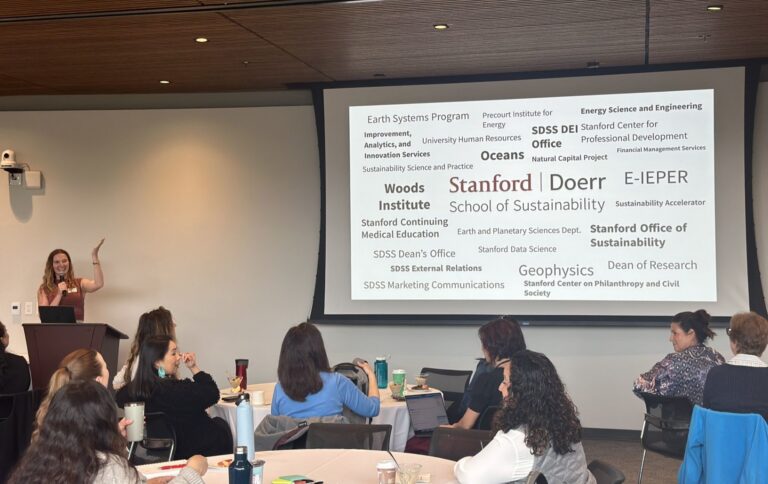
Eco-Event Excellence: Sustainable Event Planning Workshop
Living Lab Fellow Emily Blackwell and the Stanford Doerr School of Sustainability gathered campus event planners to launch new sustainable event resources.

Living Lab Fellow Emily Blackwell and the Stanford Doerr School of Sustainability gathered campus event planners to launch new sustainable event resources.

Stanford student Justin Donohugh helped create zero waste videos with the Office of Sustainability, integrating operations into his academic capstone for earth systems.

Coupa Cafe’s foodware is all compostable and locally sourced, making it even easier to work towards zero waste on campus.
In 2024, Stanford placed second in both the Per Capita Recycling and the Food Organics categories for large universities.

Carol Richards, a teacher at Stanford’s Arboretum Children’s Center, is inspiring the next generation of environmental stewards by turning composting, gardening, and creative reuse into hands-on lessons about sustainability for preschoolers.
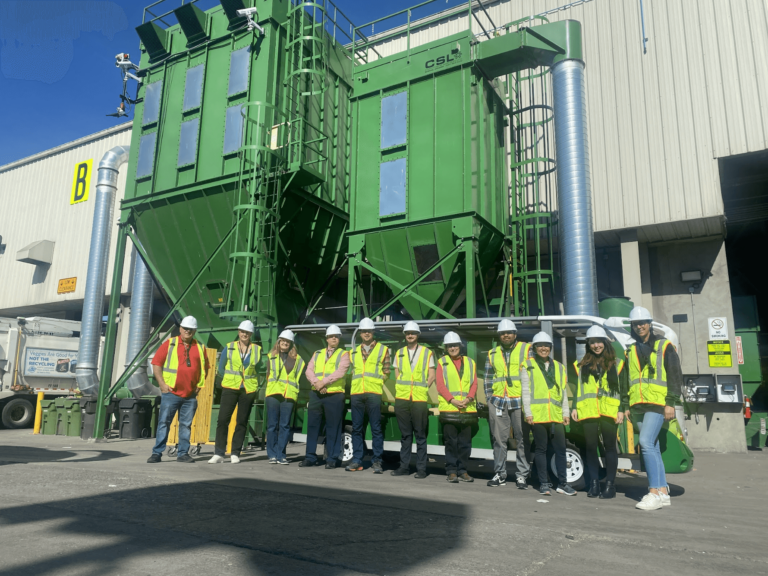
As of September 2023, Stanford’s recyclables are processed at the GreenWaste Material Recovery Facility, where at least 85% of materials are recovered.
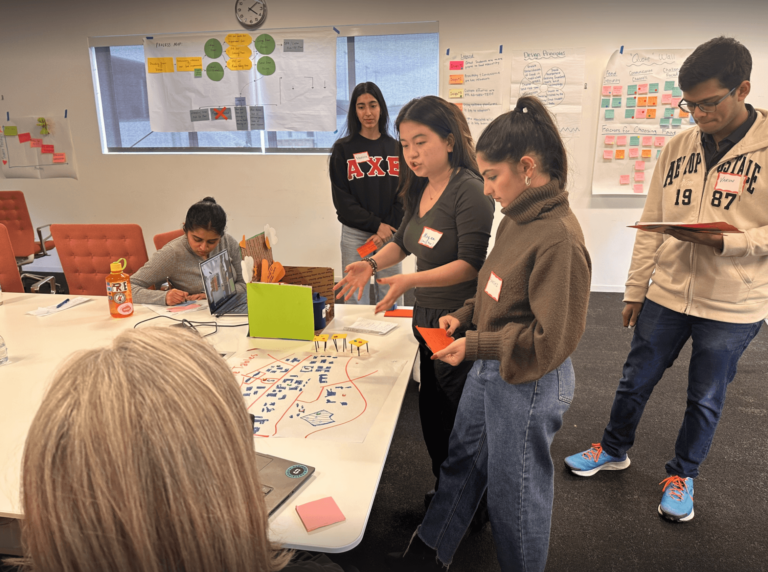
Students collaborate with operational staff to learn about sustainability issues and develop creative design solutions.

Reduce your environmental impact while participating in or viewing sports events on campus.
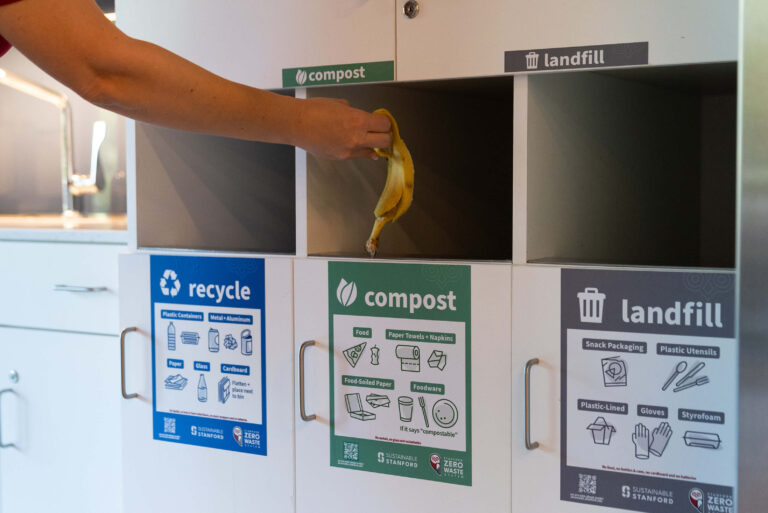
Thanks to collaborative campus efforts, Stanford won first place for in Food Organics and second place for Recycling Among Large Campuses in the 2023 Campus Race to Zero Waste.

Edward Florendo, animal care supervisor at the School of Medicine, partnered with Stanford’s Office of Sustainability to turn a hard-to-recycle plastic into a recyclable material.