
Sustainable Research Computing
Academics, Carbon, Community Engagement, Construction & Demolition, Efficiency, Emissions, Maintenance
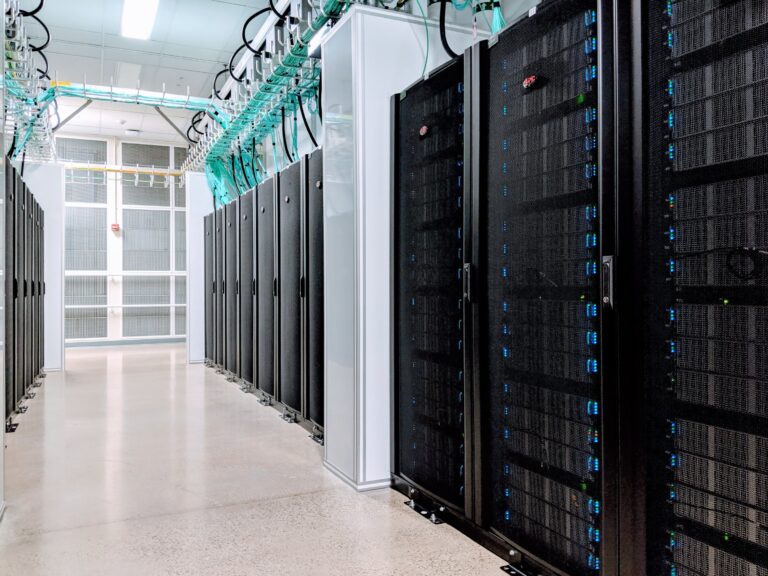
Danica Sun ’28 explored smarter resource use for one of Stanford’s major computing clusters.
The campus electric load is forecasted to exceed 80% capacity each day this week. Please reduce electricity from 2 to 6 p.m. this week to protect our overall campus power supply. (sustainable.stanford.edu/power-smart)

The east Green Library energy system has been updated through the Return Temperature Optimization Program (RTOP). This historical building utilized old-fashioned, pneumatic-controlled heating and cooling valves, and these were replaced with sustainable, pressure-independent electric control valves. Pressure-dependent systems lead to both excessive and insufficient space conditioning, given that the incoming pressure varies. Using pressure-independent valves in this renovation saves energy and increases thermal efficiency for hot and chilled water distribution to and from the Central Energy Facility.
Danica Sun ’28 explored smarter resource use for one of Stanford’s major computing clusters.
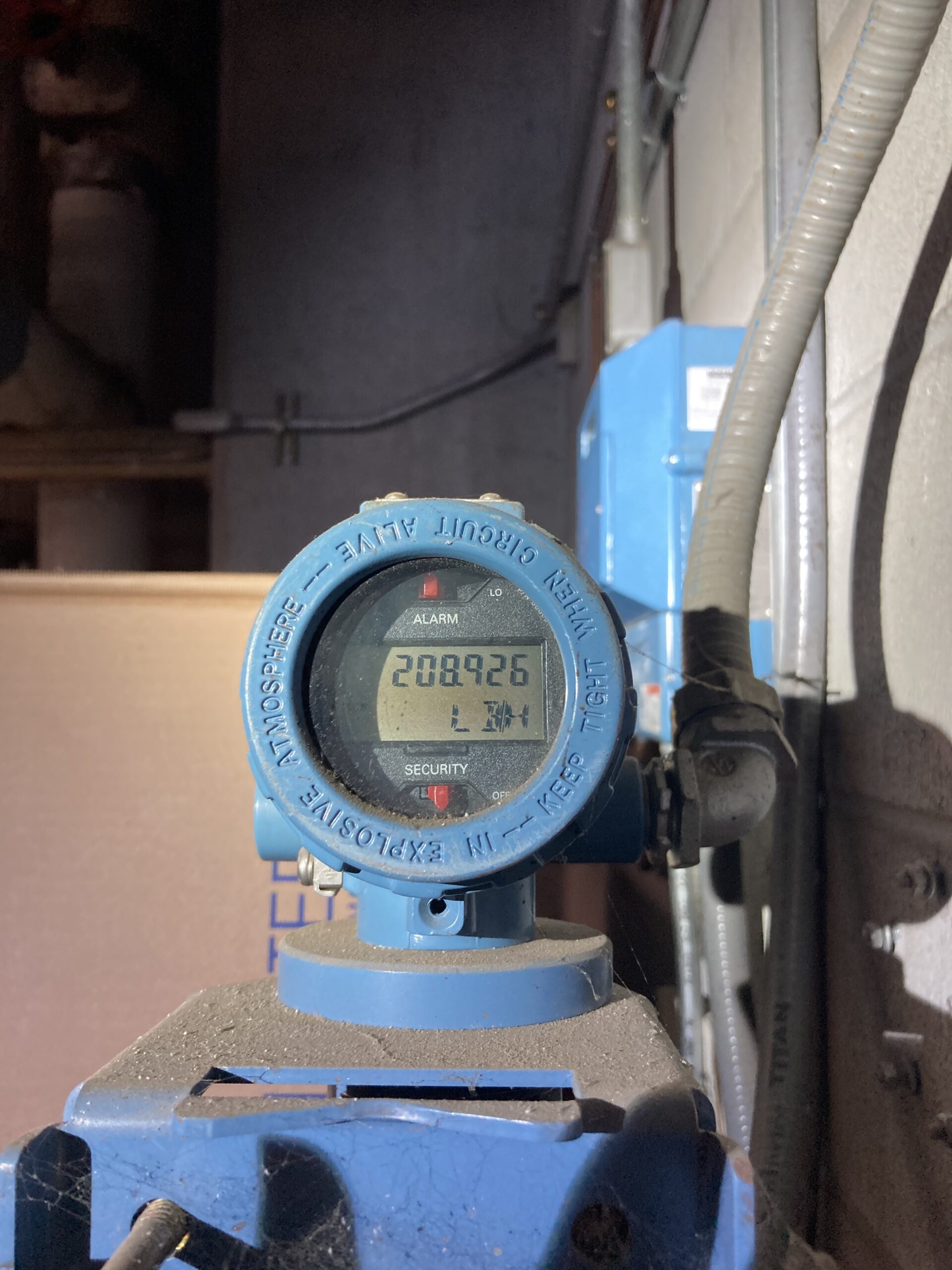
Rachel Porter, PhD candidate, investigated alternatives for reducing reliance on Stanford’s natural gas-fired steam plant.

Stanford’s world-class golf course is making water management a priority, teeing up golf to be a sustainable sport.