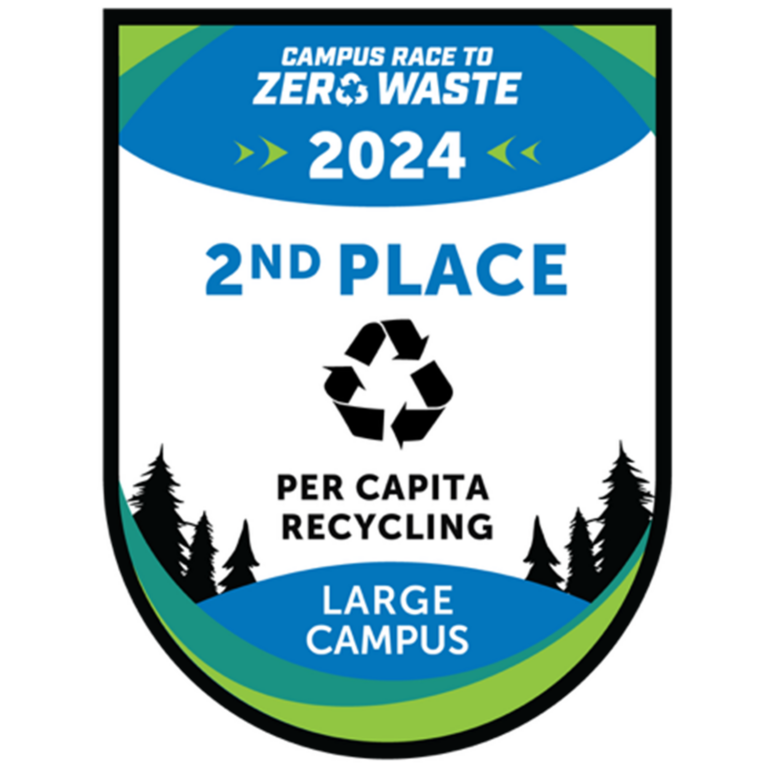
Stanford Ranked as a Top School in Recycling & Composting (2024)
In 2024, Stanford placed second in both the Per Capita Recycling and the Food Organics categories for large universities.

In 2024, Stanford placed second in both the Per Capita Recycling and the Food Organics categories for large universities.

Carol Richards, a teacher at Stanford’s Arboretum Children’s Center, is inspiring the next generation of environmental stewards by turning composting, gardening, and creative reuse into hands-on lessons about sustainability for preschoolers.
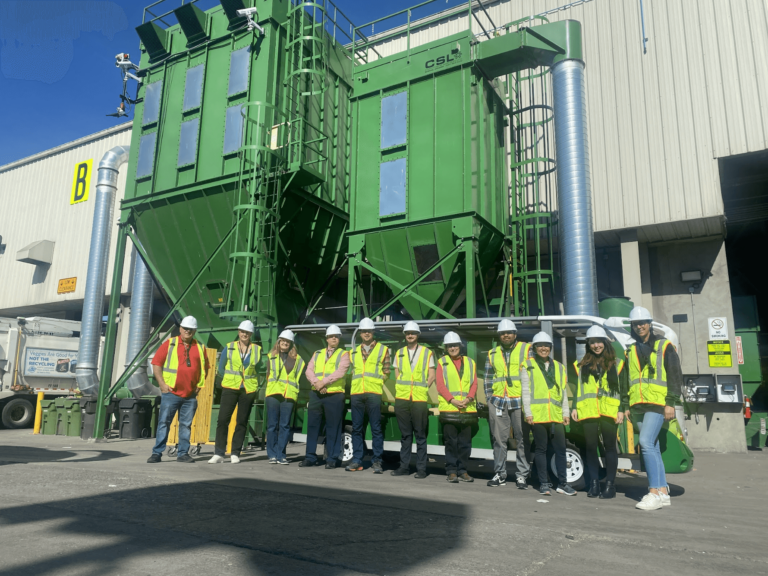
As of September 2023, Stanford’s recyclables are processed at the GreenWaste Material Recovery Facility, where at least 85% of materials are recovered.
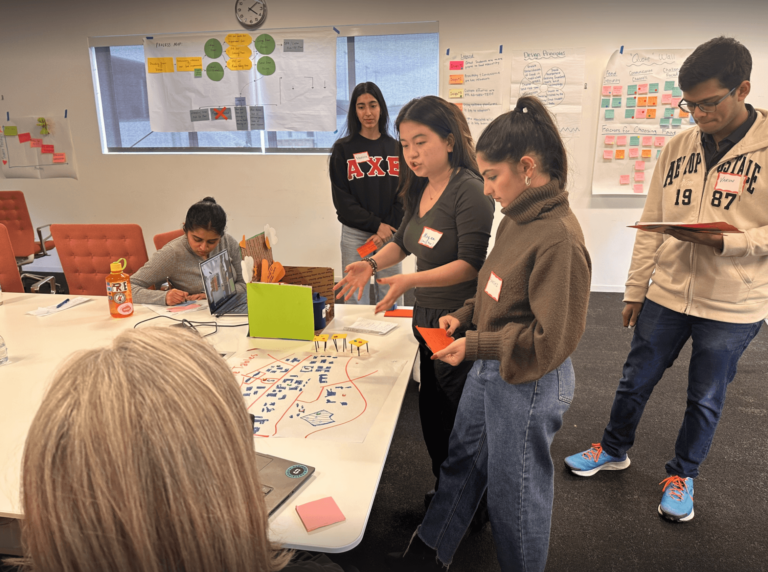
Students collaborate with operational staff to learn about sustainability issues and develop creative design solutions.
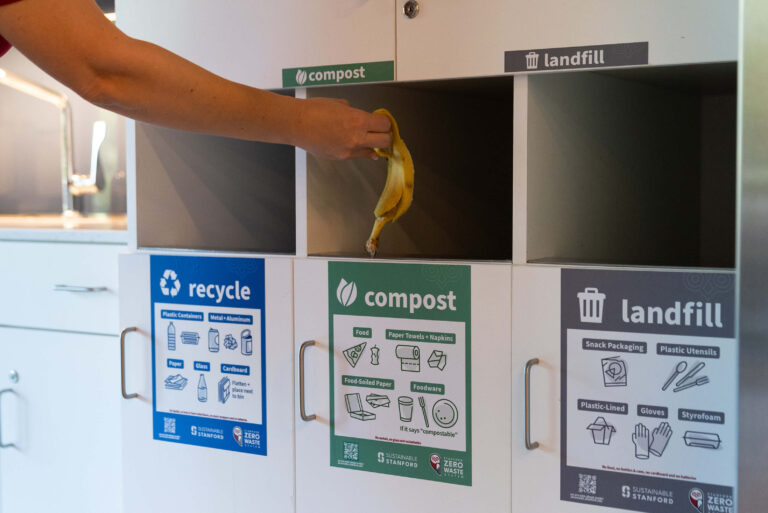
Thanks to collaborative campus efforts, Stanford won first place for in Food Organics and second place for Recycling Among Large Campuses in the 2023 Campus Race to Zero Waste.

Edward Florendo, animal care supervisor at the School of Medicine, partnered with Stanford’s Office of Sustainability to turn a hard-to-recycle plastic into a recyclable material.
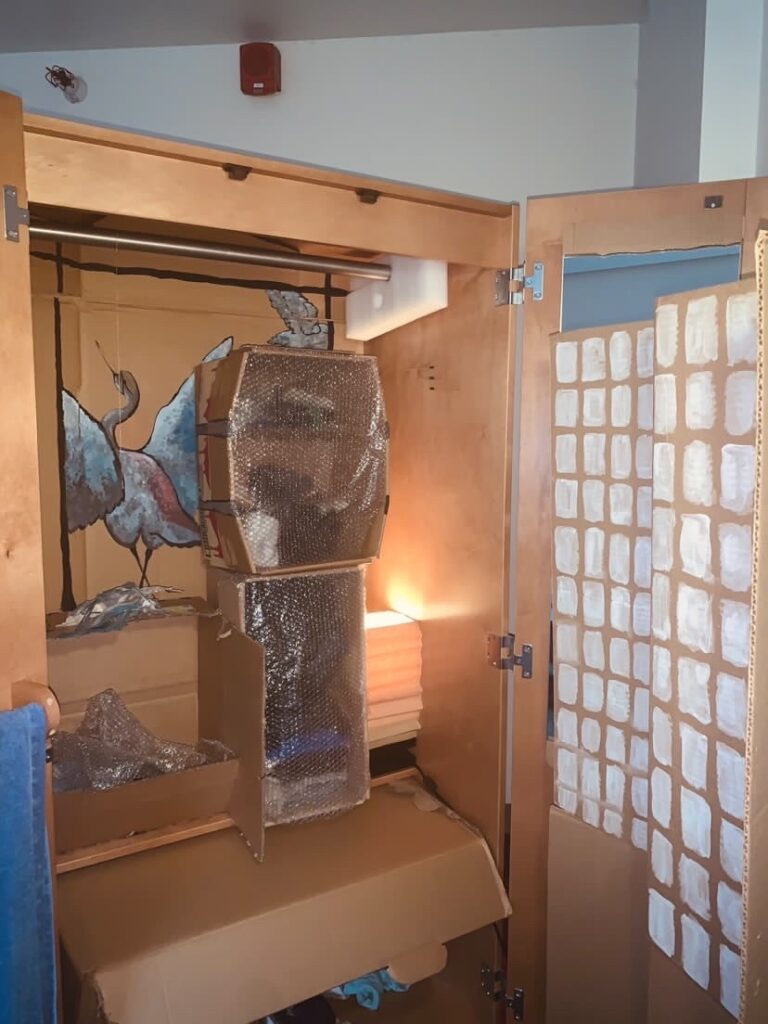
Stanford student Sierra Horangic repurposed packaging waste into custom furniture and inspired others to reduce waste and get creative with recycled materials.
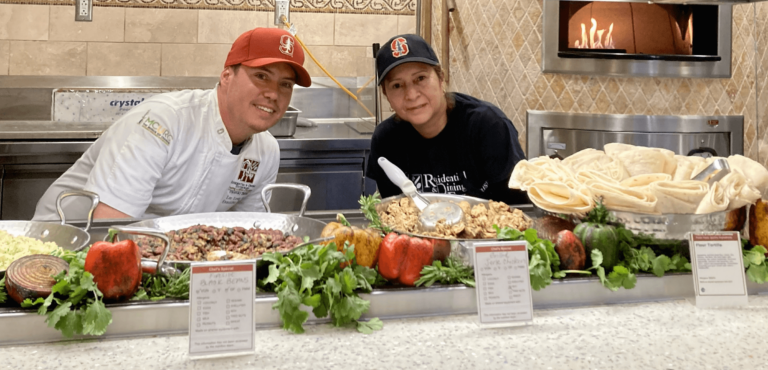
Stanford’s dining halls are living laboratories for innovative research on reducing food waste and promoting sustainable, plant-forward diets in collaboration with faculty.
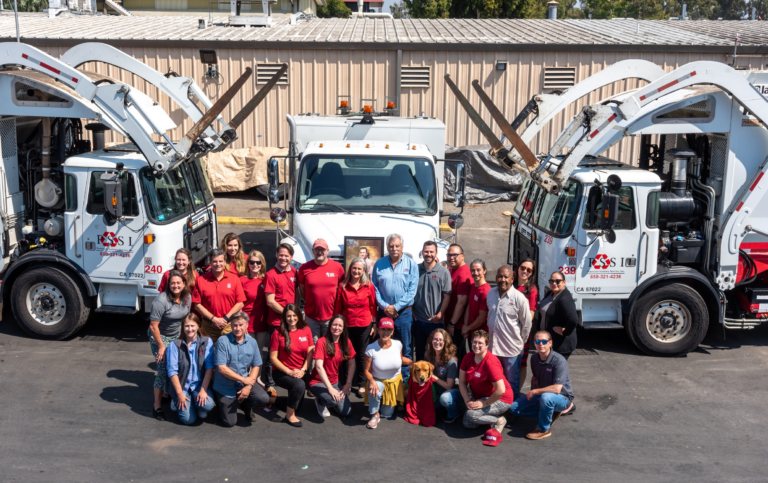
After a three-year competitive bid process, Stanford awarded a new 10-year contract to Peninsula Sanitary Service, Inc. (PSSI), continuing an 80-year partnership to support the university’s zero waste goals.
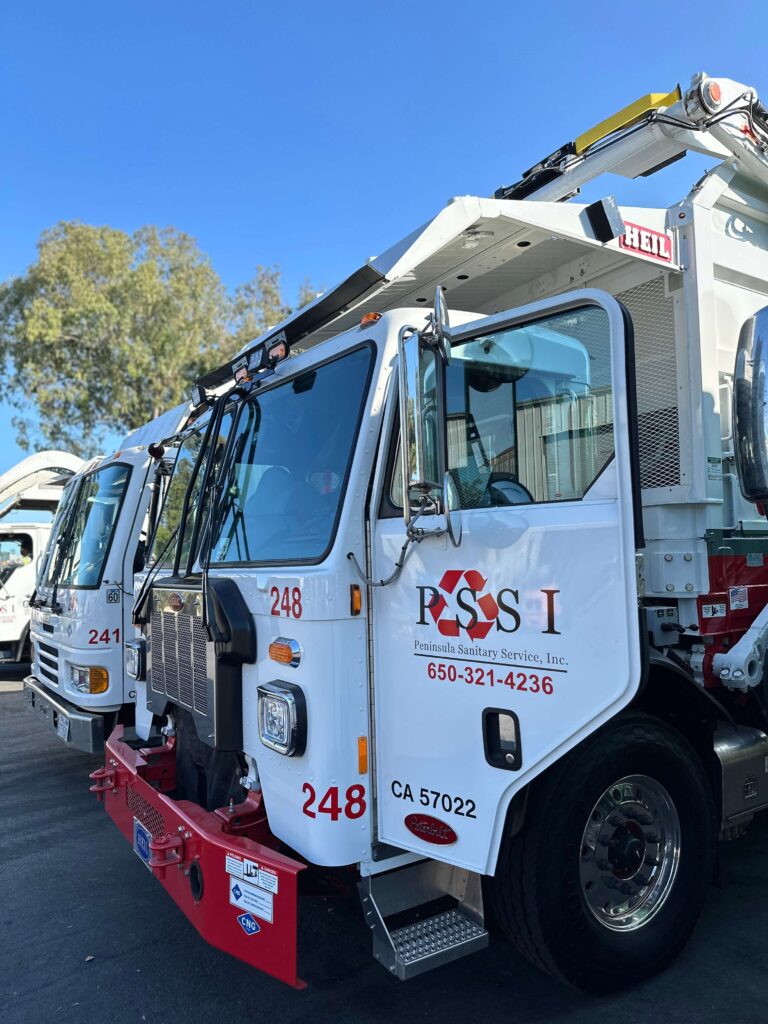
Stanford’s new contract with PSSI introduces a fleet management system that uses cameras, sensors, and AI to improve safety, monitor contamination, and optimize waste diversion.