Organic Landscape Management Pilot
Rooted in the university’s founding principles, the campus design emphasizes native and adaptive species over energy-intensive exotics, showing that aesthetics and care for the land can go hand in hand. The university is piloting an Organic Landscape Management Program to incorporate organic landscape practices throughout main campus on maintained lawns. The program has three main goals: to build and maintain strong soil health, proactively address pests and weeds through organic methods, and reconnect the campus community with the natural cycles of Stanford’s unique ecosystem.
Pilot Lawn Sites
Three university entities are collaborating to bring this vision to life through a pilot program launched in August 2025. Residential & Dining Enterprises (R&DE), Land, Buildings & Real Estate (LBRE), and the Department of Athletics, Physical Education and Recreation (DAPER) are collaborating to test organic landscape management across four pilot sites: the Cantor Arts Center, Hoover Tower, the Archery Field, and the Cowell Cluster. Each unique site allows teams to evaluate how organic practices perform across Stanford’s landscapes.
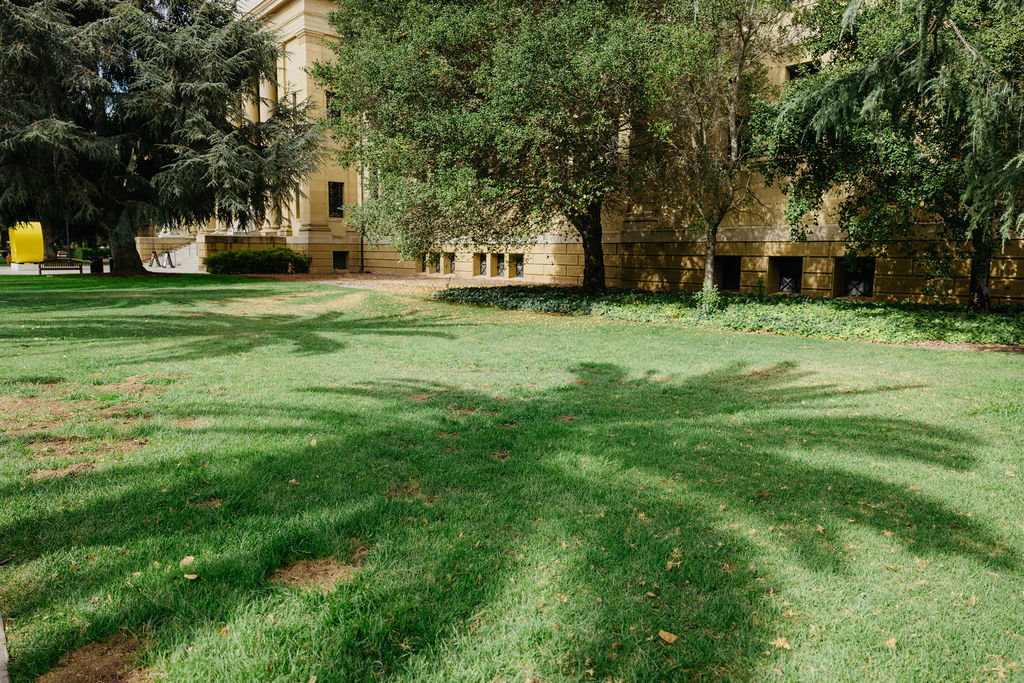
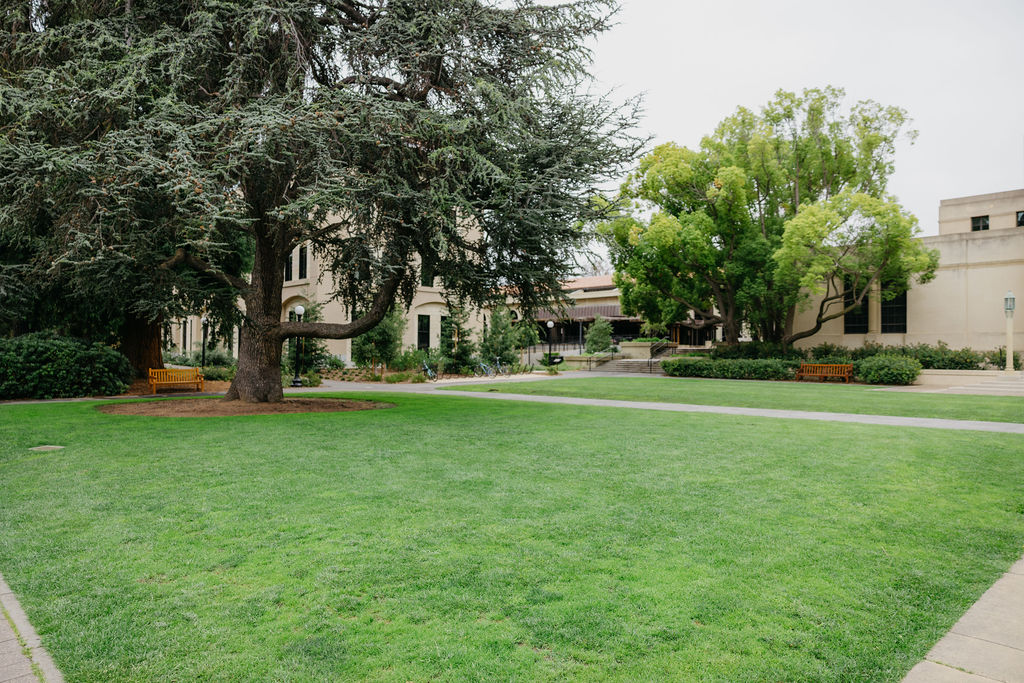
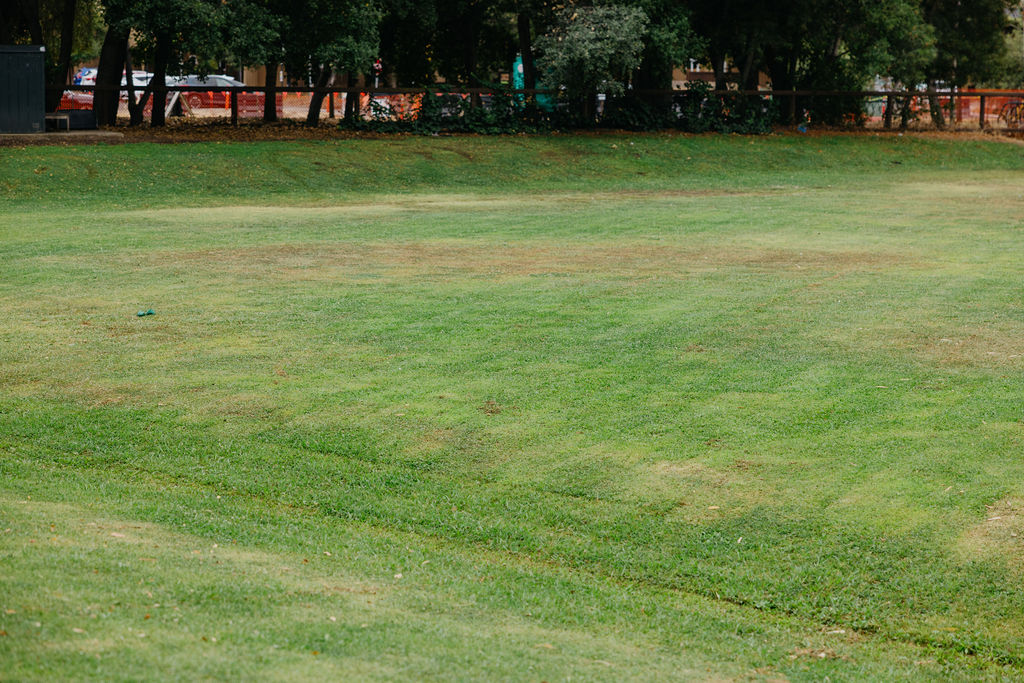
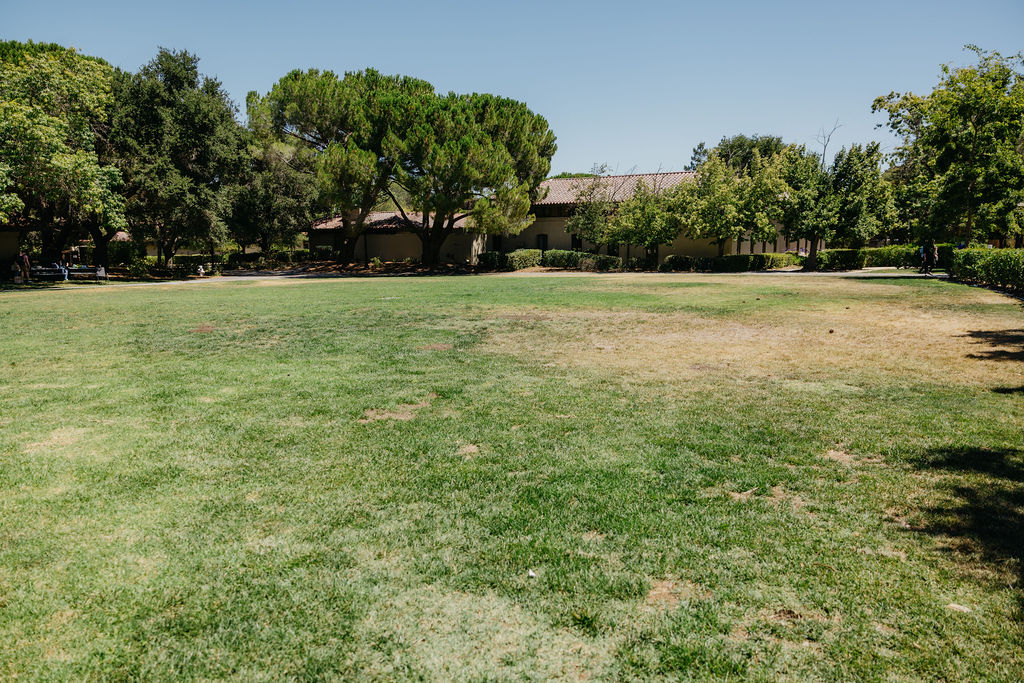
The 5 Steps for Pilot Program Success
Continuous Soil Testing
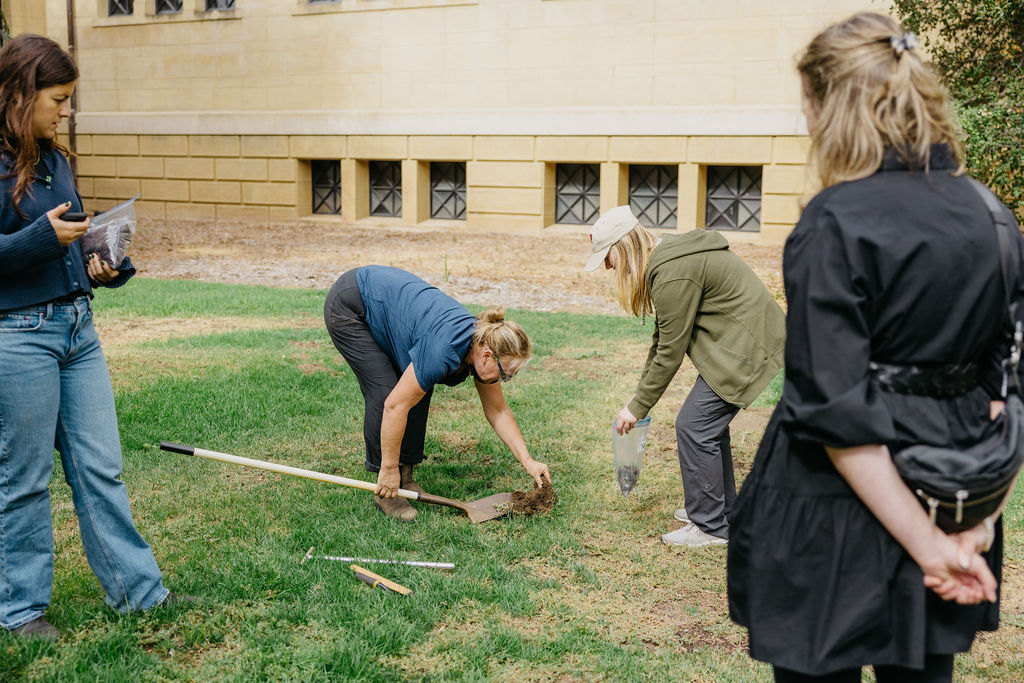
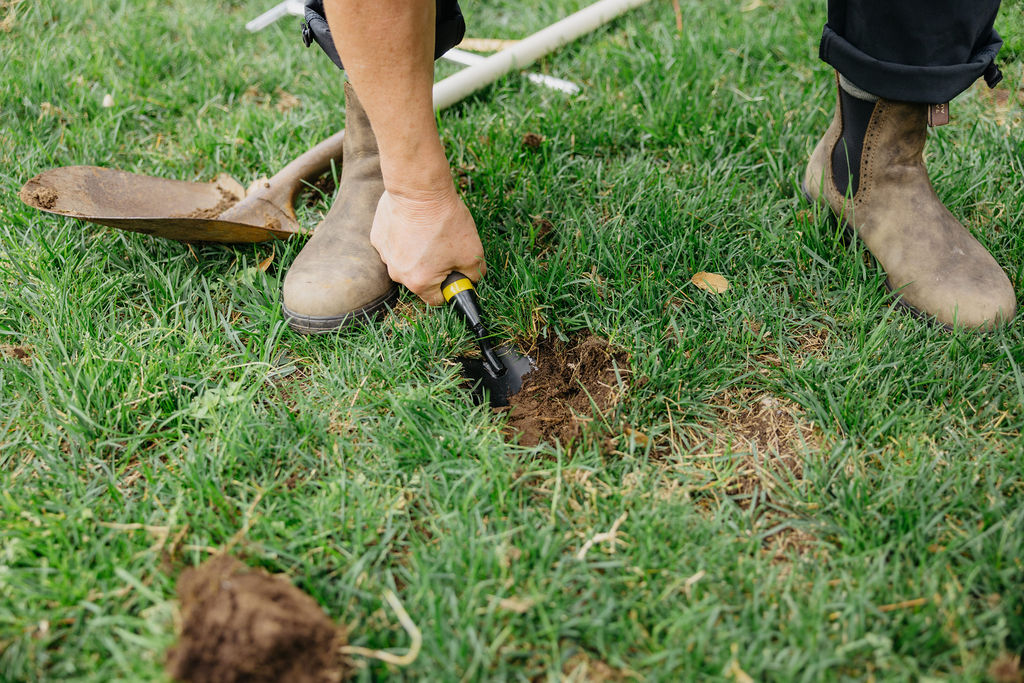
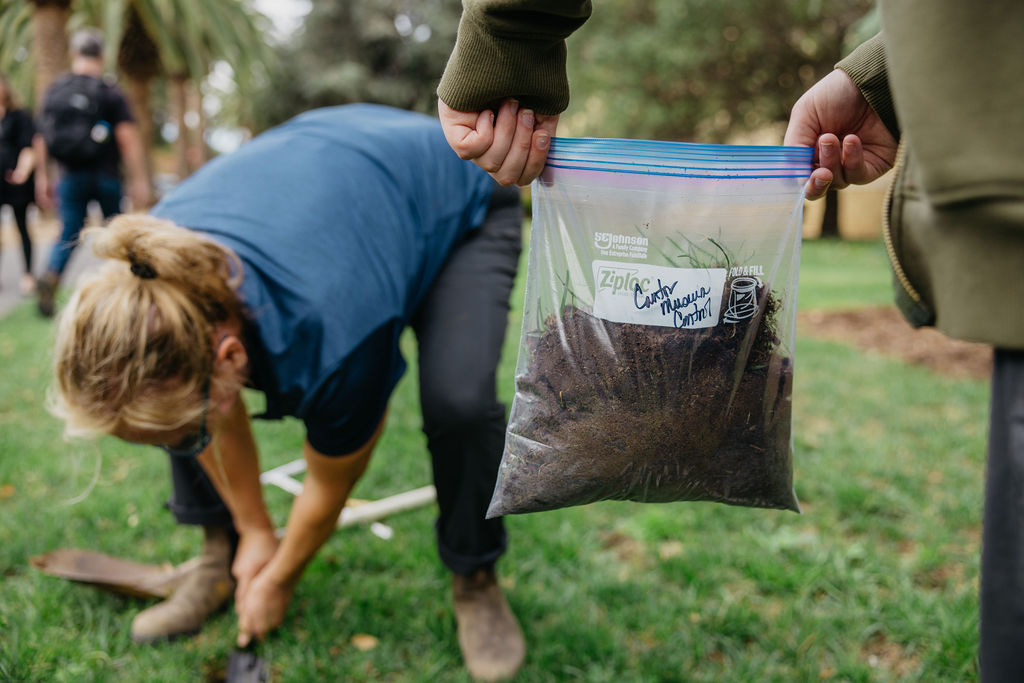
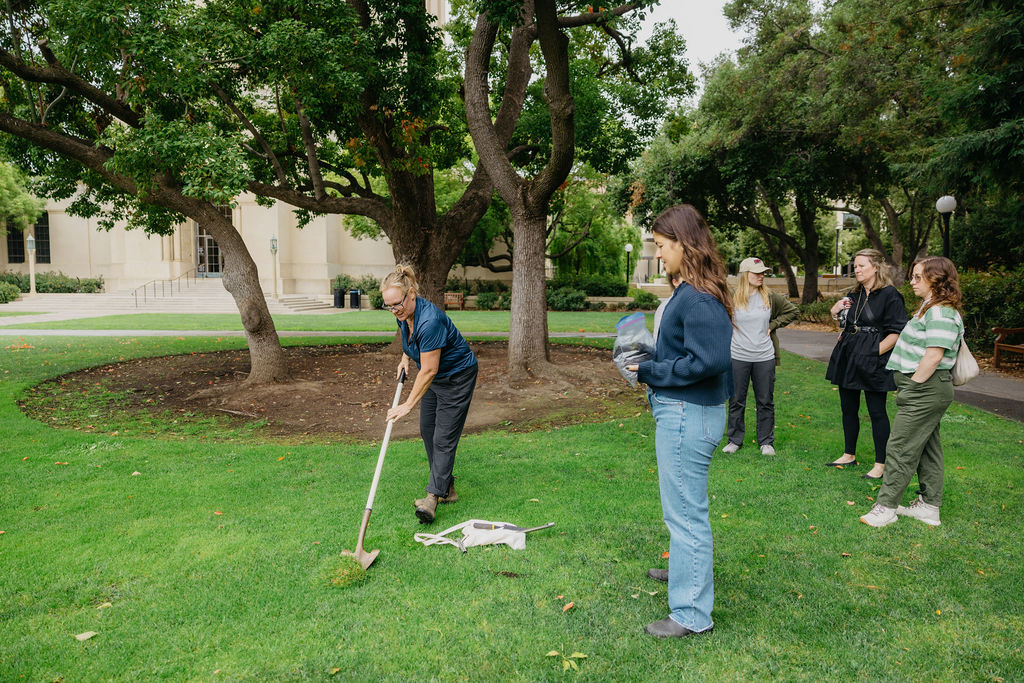
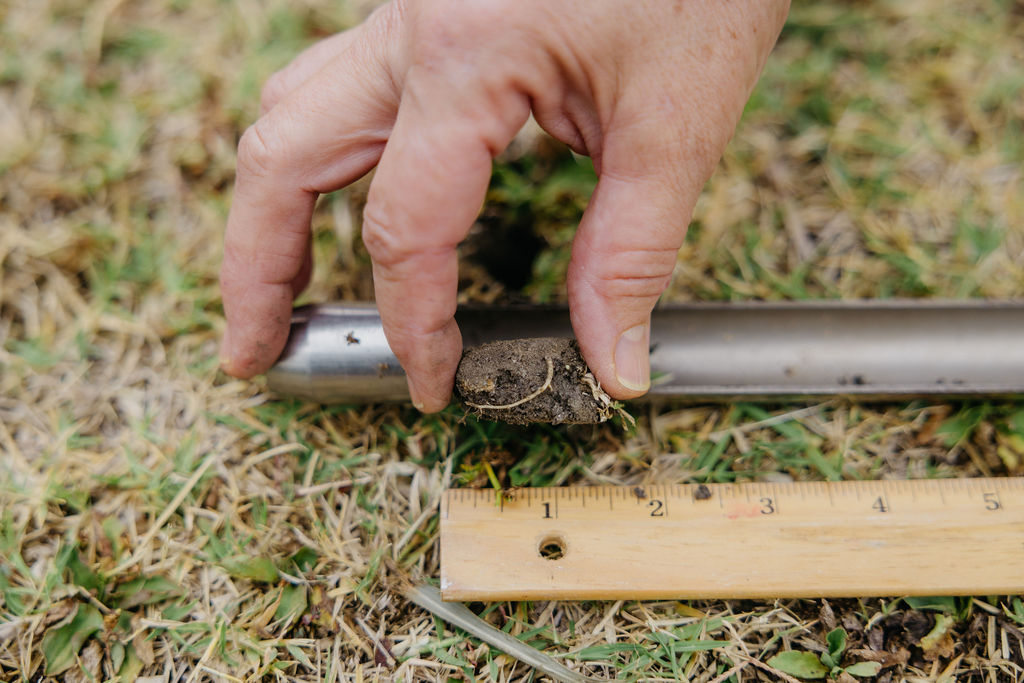
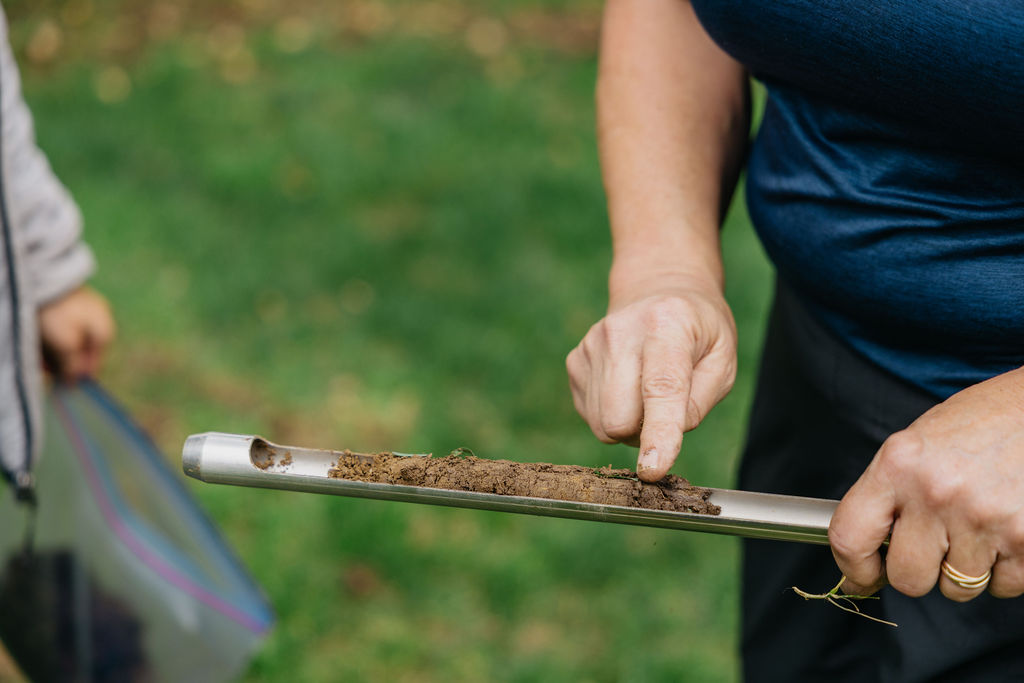
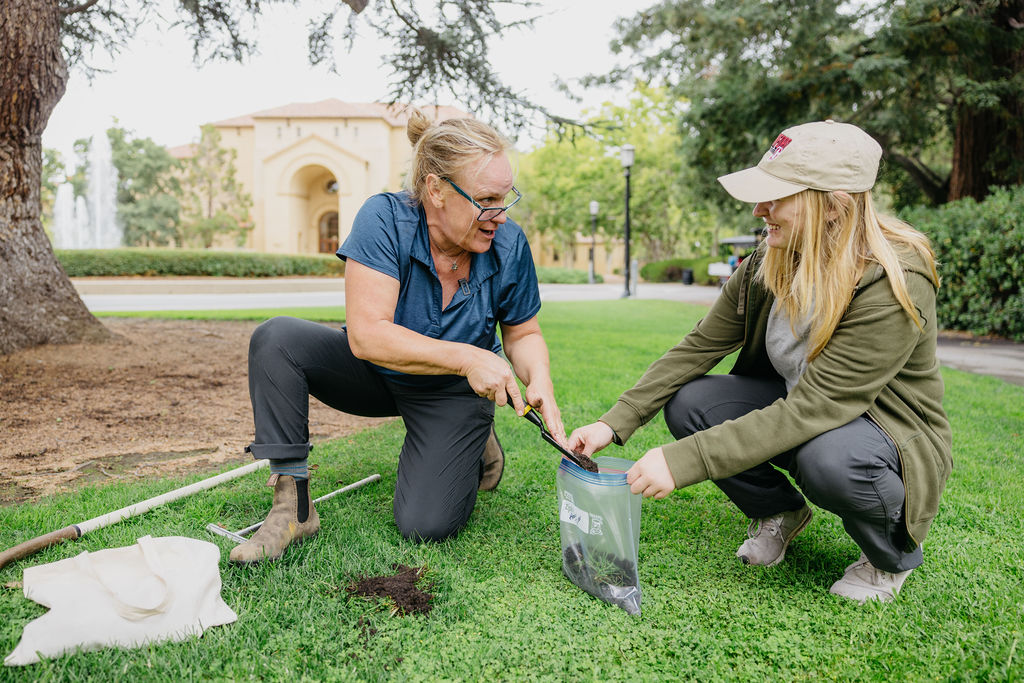
The project kicked off by resting the soil at pilot sites to understand the biology and composition. This helps to create a customized application and management schedule. Soil samples help determine the best care strategies for each site, as organic landscape management is often site-specific, and can allow the team to give the soil nutrients the land needs to flourish. The pilot team will frequently retest the soil to ensure the soil biology is improving and the sites have proper nutrients.
Soil Amendments
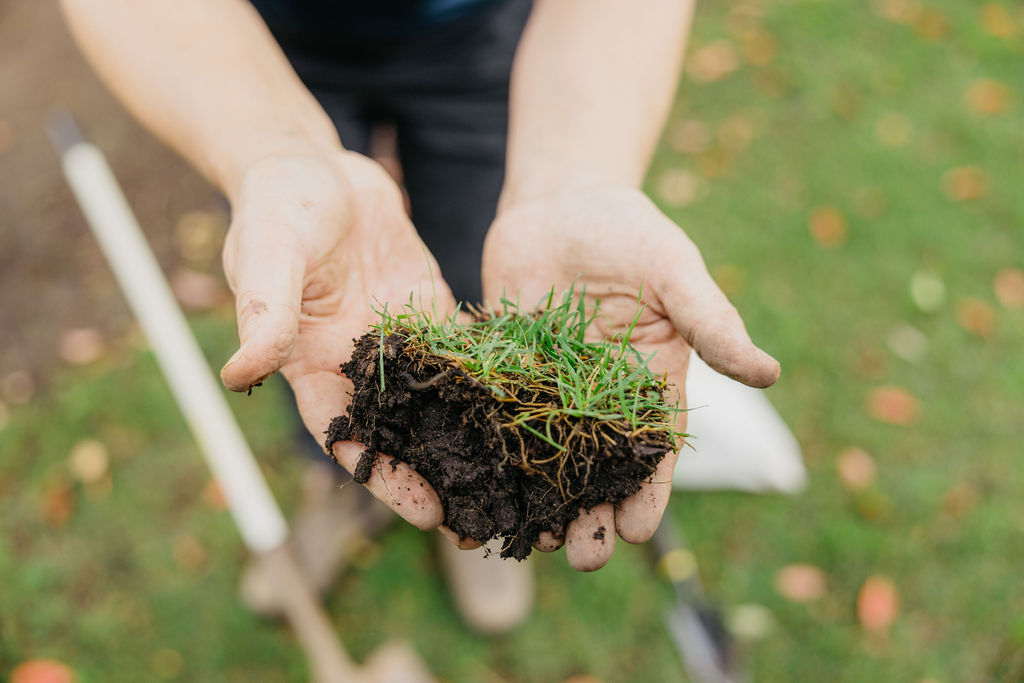
The management schedule involves soil amendments, which are materials added to the soil to improve its physical properties. The team will add new soil amendments, like organic fertilizers rather than inorganic fertilizers, to improve the health of the soil.
Monitoring Aesthetics and Plant Health
The aesthetic of the land is an important piece of the project. The team aims to ensure healthy plants that complement the natural beauty and unique environment that Stanford’s campus occupies, and to lean into the more vibrant and resilient landscapes of Stanford while keeping emblematic parts of the Stanford campus iconic.
Training and Supporting Landscape Technicians with Process Changes
Throughout the process of starting the pilot program, the pilot team has learned from and stayed in close communication with Stanford’s landscape technicians and managers. The goal with the new pilot techniques is to ensure that new amendments (like organic fertilizers) and workflows will not significantly impact or negatively burden the workflow and maintenance responsibilities of landscape technicians and managers.
Community Awareness
The last step and a critical component of the pilot program is building awareness among the Stanford community. One way to achieve this is through the new Sustainability Community Internship program, where Stanford students act as ambassadors and help with peer-to-peer outreach campaigns for sustainability initiatives on campus. The pilot team is working with Sustainability Community Interns to spread awareness about land aesthetics on campus and the ongoing pilot program goals to build soil health and nurture Stanford’s ecosystems.
Dig Deeper
Read more about the launch of the pilot program in the Story Library.
Why Organic Practices Matter
Organic landscape management supports both environmental and human health.
These organic landscape management practices:
- Reduce chemical pollution and runoff into waterways
- Improve soil structure and microbial activity
- Enhance biodiversity and pollinator health
- Conserve water and reduce greenhouse gas emissions
- Protect workers, students, and wildlife from exposure to synthetic chemicals
Did You Know?
The impacts of pesticide use are far-reaching and have negative consequences for ecosystems, as well as human and animal health.
- Nearly 90% of US river streams contain five or more pesticide types
- 90% of bee pollen samples in agricultural areas contain pesticide residues
- Over 150 chemical residues have been detected in bee pollen
- 50 pesticides are known endocrine disruptors
Understanding Our Soil
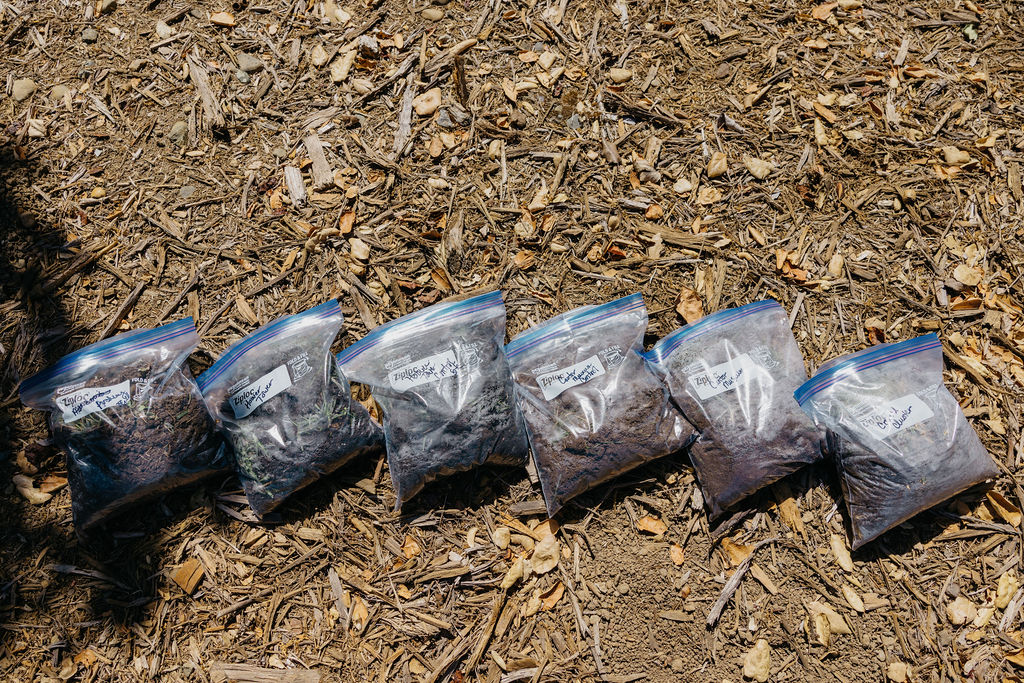
Healthy soil is the foundation of a thriving landscape. The first step of the program involves sampling soil at four pilot sites across campus.
- As part of the pilot, teams are collecting soil samples to analyze nutrient composition, microbial activity, and organic matter.
- This data collection will inform site-specific care plans that support long-term soil vitality and ecological balance.
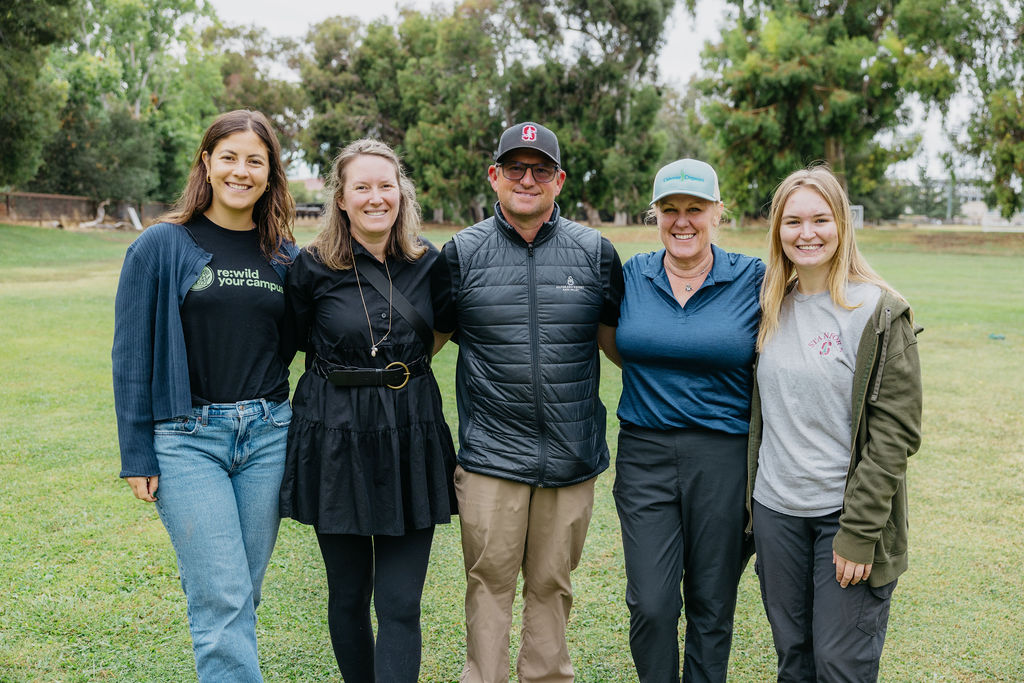
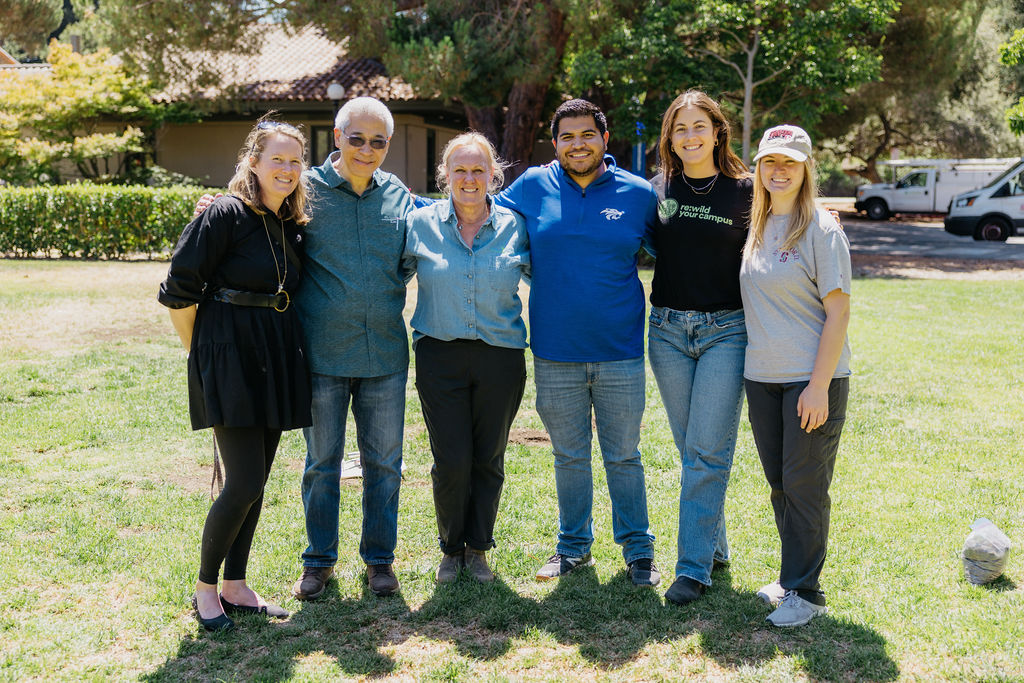
- To assist with the project, the university is working with Re:Wild Your Campus, a non-profit that has demonstrated proven success in collaborating with fifteen higher education institutions to implement organic landscape care practices, with two completed projects at UC Berkeley and Drexel and pilot projects currently in progress at three other institutions.
The Aesthetic of Stanford’s Lands
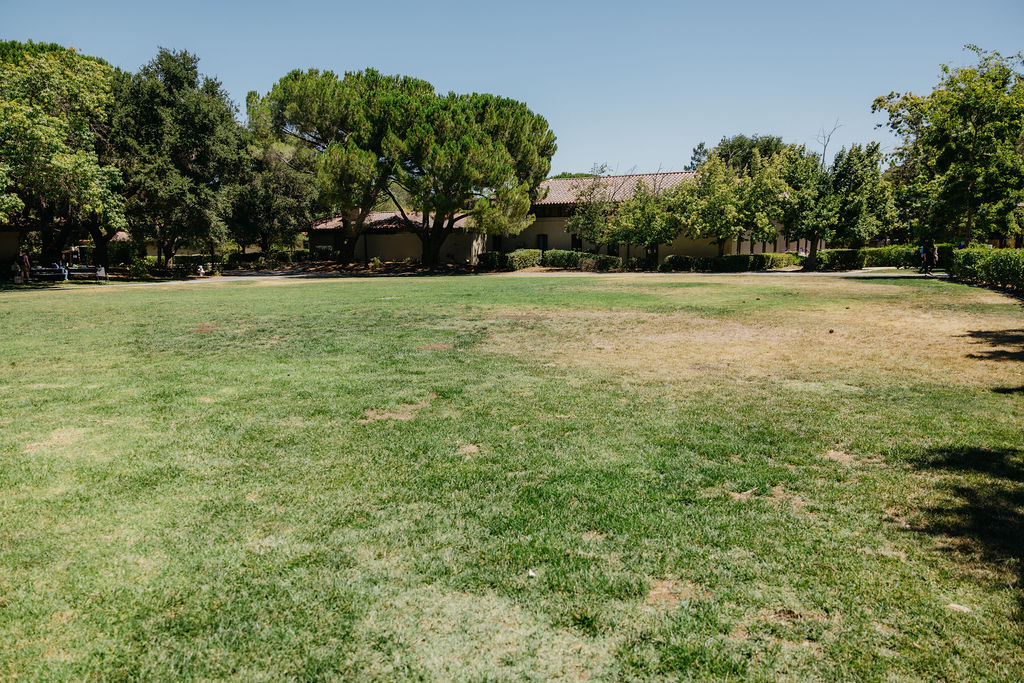
The program seeks to build resilient and sustainable landscapes that eventually function with minimal input while maintaining aesthetic goals.
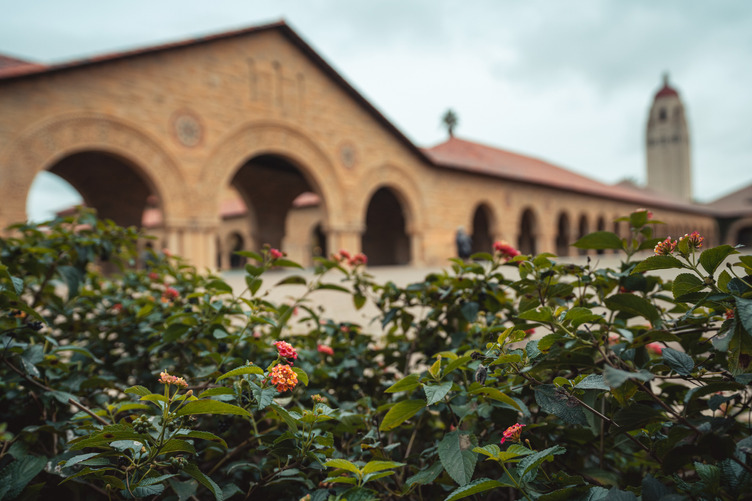
An important part of the organic landscape management project is ensuring the land aesthetics stay true to Stanford’s founding goals by developing a “casual elegance,” which calls for informal plant massings, natural tree forms, and low-maintenance plantings. Through this pilot, Stanford is renewing this founding vision by:
- Balancing iconic manicured areas with more vibrant, resilient natural zones
- Embracing seasonal change and natural decomposition as signs of health
- Showcasing native and adaptive species
Student Engagement
Students are key partners in this effort.
- Through the Sustainable Stanford Living Lab program, student fellow Hailey Demars, a Stanford data science student, is helping to drive this effort through data collection, project management support, and outreach and communication.
- Through the Sustainable Community Internship program, student employees who engage the student body through peer-to-peer outreach campaigns about sustainability initiatives on campus are spreading awareness of the benefits of this organic landscape management pilot program.
- These experiences offer examples of sustainability in action, connecting academic learning with real world challenges on Stanford’s own landscapes.
Pilot Project Timeline
View a timeline of the organic landscape management pilot and stay tuned for updates in Spring 2026.
- August 2025: Pilot kick-off and soil sampling begins
- October 2025: Report and implementation plan developed with Re:Wild Your Campus, LBRE, DAPER, and R&DE
- Spring 2026: Organic practices introduced at pilot sites; progress documented through photography and interviews
- 2026-2027: Continued soil sampling and monthly monitoring to refine organic practices
Project Photo Gallery