Sustainable Community Internships
Passionate about sustainability and love connecting with people?
The Sustainable Community Internship (SCI) program is an academic year-long program from fall through spring quarter. As an SCI, you have the opportunity to design your own events and collaborate across campus, and receive training and support in skills like outreach, behavior change, communications, and leadership. You will join a cohort of like-minded students and receive support through weekly meetings and support from subject matter experts on campus.
Key Details
- Commitment: 3 – 5 hours per week during the 2026 – 2027 academic year (September to June)
- Compensation: $20/hour
- Eligibility: Primarily open to Stanford undergraduate students with strong communication skills and a passion for sustainability
- Cohort: 20 – 30 Sustainable Community Interns per academic year
Responsibilities
Sustainable Community Interns play a vital role in creating a sustainable campus culture by becoming sustainability leaders and role models on Stanford’s campus. Sustainable Community Interns play a vital role in fostering a sustainable campus culture by providing guidance to students, organizations, and staff on eco-friendly practices. They lead by example through daily actions and social media, and organize outreach initiatives to strengthen campus connections and highlight key opportunities such as academic programs, workshops, and sustainability initiatives.
Click here to learn more about specific responsibilities:
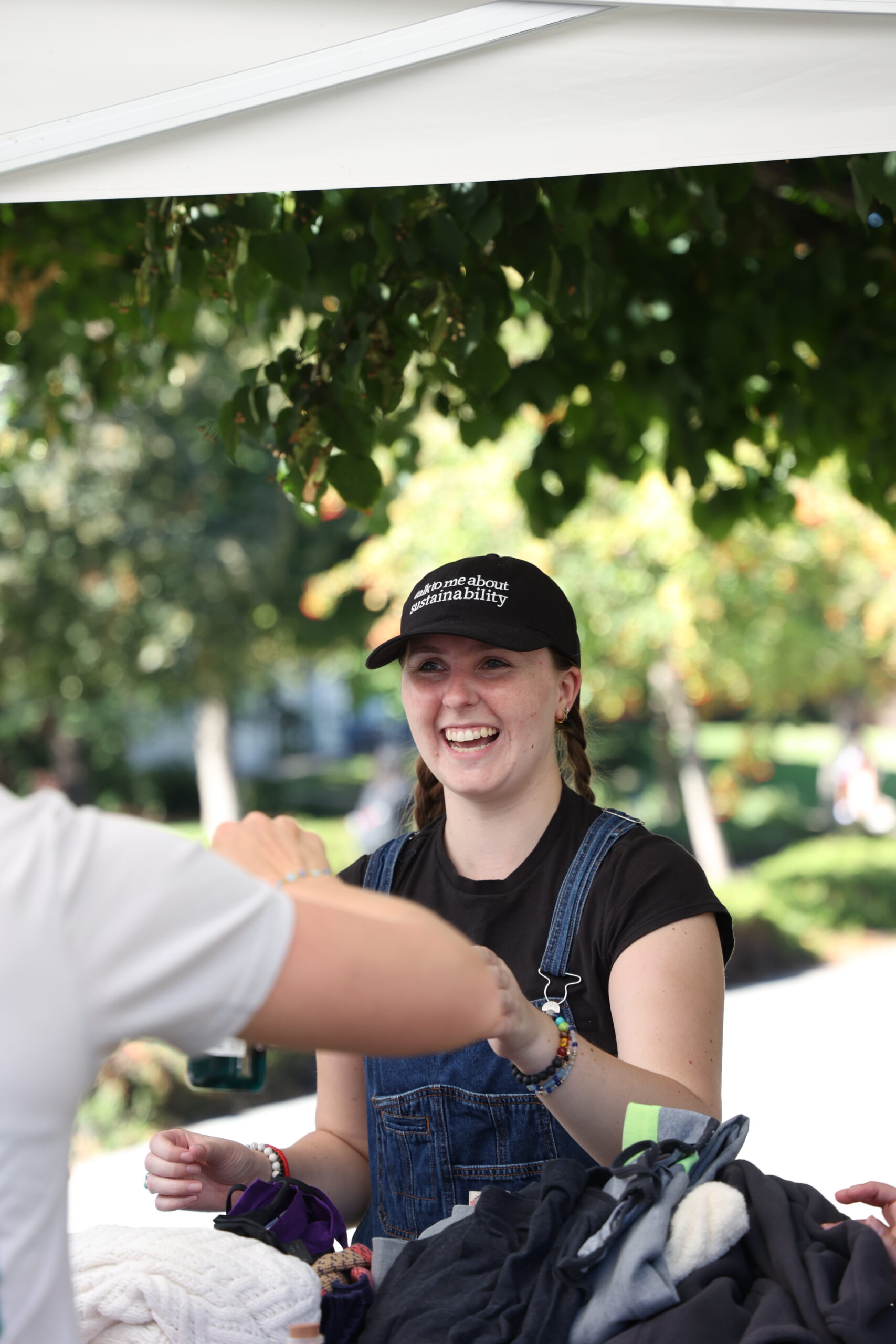
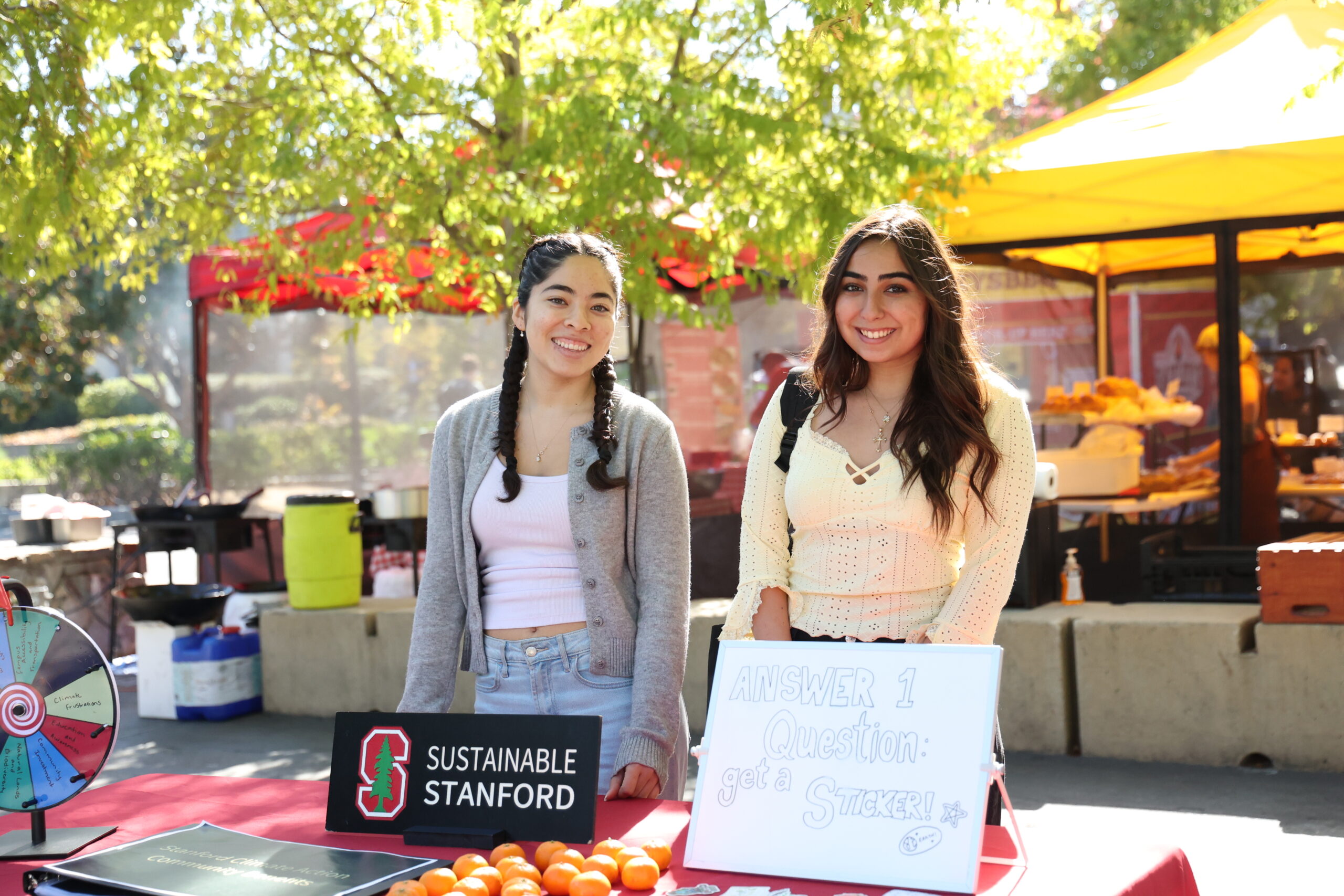
- Advising and Mentoring: Offering guidance through office hours, tabling events, and peer consultations to connect students with sustainability opportunities and to support student clubs, organizations, and university staff on how to adopt sustainable operations.
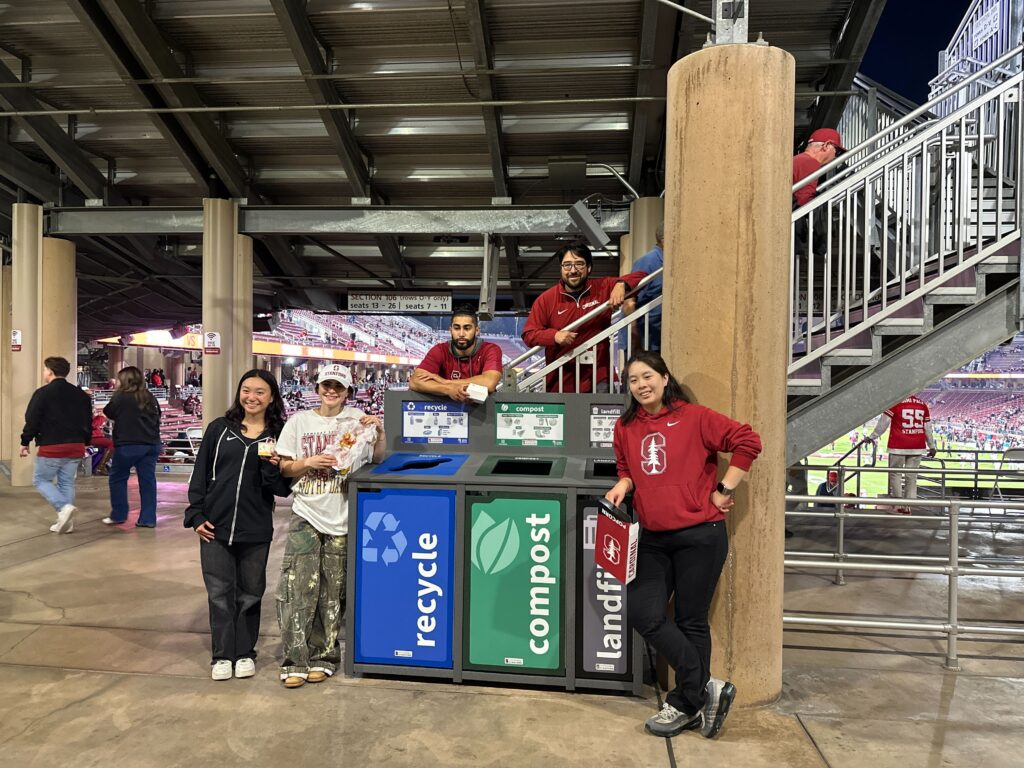
- Leading by Example: Actively demonstrating sustainability practices and engaging with the campus community through visible actions such as waste sorting or participation in sustainability events. This also includes performing pro-environmental behaviors in everyday life and posting them on social media.
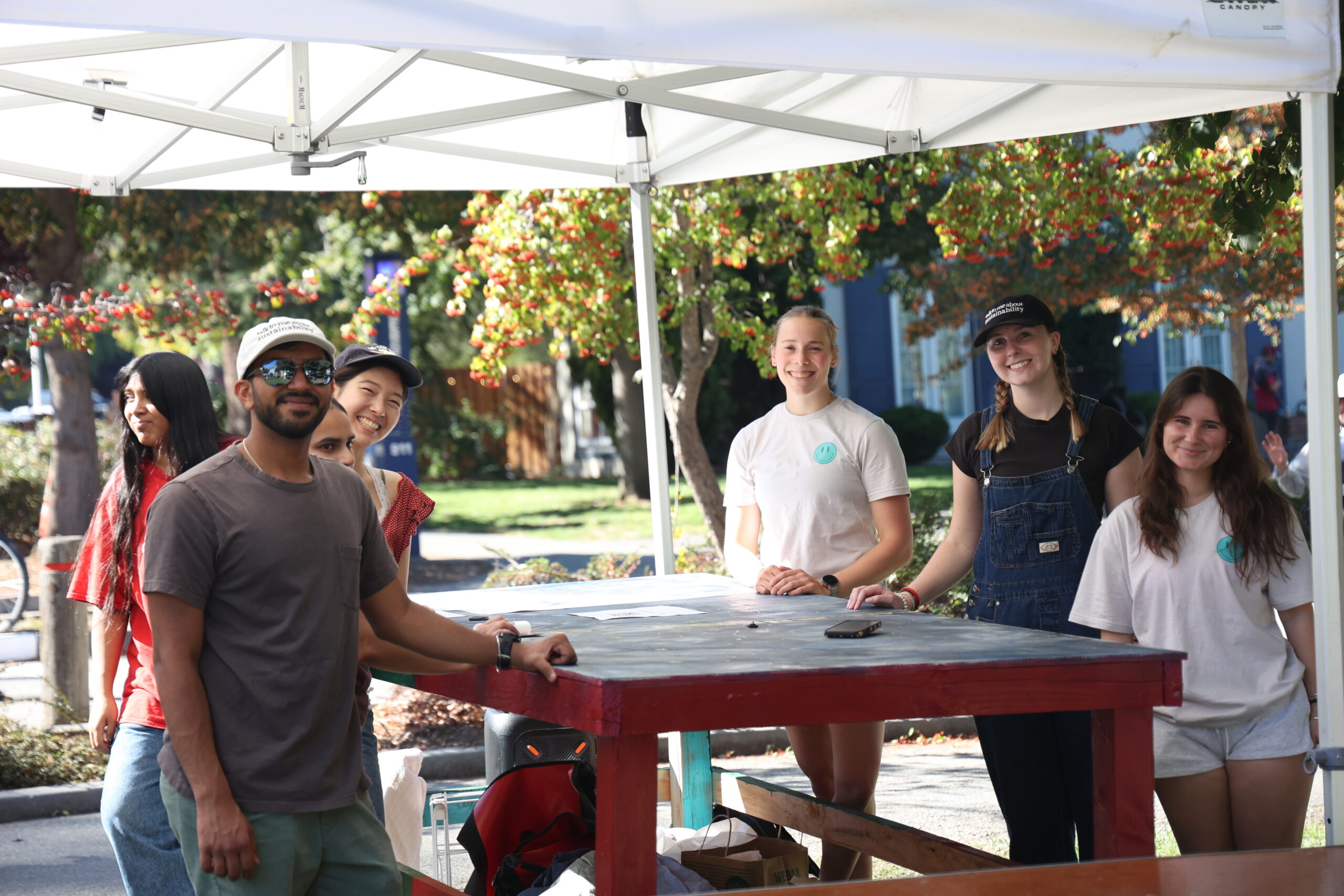
- Community Building & Engagement: Organizing outreach initiatives and events to build community connections and relationships face-to-face and virtually. Examples include dorm-specific events, residence/lecture hall presentations, and social media campaigns, and partnering with student groups and campus events.
- Promoting Key Opportunities: Highlighting academic programs, workshops, research opportunities, career events, and campus initiatives like energy conservation and waste reduction.
Benefits and Opportunities
Preparation to Lead Others Now and in the Future: Enhance your leadership, project management, and public speaking skills. Additionally, you’ll gain hands-on experience using social media to promote sustainability, honing your communication and motivational strategies. These experiences will prepare you to lead others in various contexts.
Enhanced Awareness and Participation: Gain a deeper understanding of Stanford’s sustainability initiatives and operational goals, which will empower you to be a well-informed advocate for sustainability and provide exclusive opportunities to participate in behind-the-scenes activities, contribute to special projects, and collaborate closely with university staff.
See the Culture Change: With your guidance, fellow students will adopt more sustainable practices and seize new opportunities. You’ll witness firsthand the positive behavior changes in your peers and hear about their personal success stories in sustainability.
Testimonials

“I’m learning how to motivate people rather than push them, and I know that will be valuable far beyond this role. Through this internship, I’m able to contribute to a cause I deeply care about while building skills that I’ll carry with me into the future.” -Asa Mittal, BS in Energy Science and Engineering, Class of 2027

“I feel I’m contributing to a culture shift by helping students see sustainability as part of their everyday lives rather than an abstract responsibility. I love how this role values both environmental responsibility and is also rooted in creating that sense of community connection!” – Malvika Krishnamurthy, MS in Community Health & Prevention Research, Class of 2026

“Becoming an SCI was one of the coolest things I’ve gotten the privilege to do at Stanford. It’s given me the space and direction to share sustainability with others, and develop my own sustainable practices further.” – Edith Chamberlain, BS in Biology, Class of 2027
Sustainable Community Interns in Action